Multi-Tenant SaaS Modernization Services
CodeCones helps established SaaS teams modernize legacy and single-tenant platforms into scalable multi-tenant systems. We assess the current architecture, select the right tenant-isolation model, sequence incremental service and data migration, automate independent delivery, and add tenant-aware observability without relying on a risky big-bang rewrite.
REPRESENTATIVE SOLUTION BLUEPRINT · NO SPECIFIC CLIENT ENGAGEMENT
This page presents a representative modernization approach, not the outcome of a named client engagement. Architecture, sequence, timeline and controls are tailored after reviewing the current platform, tenant portfolio, data boundaries and operating constraints.
The Problem
When Legacy SaaS Architecture Blocks Enterprise Growth
A tightly coupled application, shared data model and coordinated release process can make every enterprise requirement expensive.
Enterprise isolation requirements — Prospects require stronger data, identity, residency or workload boundaries than the current platform can demonstrate.
Release cycles measured in months — Shared components and coordinated deployments turn small changes into platform-wide release events.
Noisy-neighbor incidents — One tenant’s usage can affect another because capacity, throttling and observability are not tenant-aware.
Operations dominate delivery — Provisioning, support and environment management consume engineering time that should improve the product.
Cloud cost outgrows revenue — Shared spend cannot be attributed reliably by tenant, workload or service tier.
Modernization pressure — Leadership needs a phased path that reduces risk without pausing the product roadmap.
A Phased Path to Multi-Tenant SaaS Modernization
Five controlled stages connect architecture assessment, tenancy decisions, incremental migration, independent delivery and tenant-aware operations.
Assess the Current Architecture and Migration Constraints
Service Coverage
Engineering Capabilities for Phased SaaS Modernization
Managed product engineering coordinates modernization waves; cloud and DevOps engineering builds repeatable infrastructure, provisioning, delivery and observability; architecture advisory clarifies tenancy, decomposition, migration and investment decisions before implementation. Explore managed product engineering and cloud platform engineering.
Managed Product Engineering
Managed Product Engineering takes end-to-end delivery ownership — architecture, build, test, and release — aligned to a defined outcome.
- End-to-end delivery ownership from design to production
- Cross-functional squads aligned to business outcomes
- Ongoing engineering and product management
Cloud DevOps and Platform
Cloud DevOps engineering provides the infrastructure, deployment pipelines, and observability foundation the solution runs on.
- Cloud infrastructure design and provisioning
- CI/CD pipeline engineering and deployment automation
- Observability, alerting, and reliability engineering
advisory-optimization
This service provides core capabilities for this solution.
- Platform Engineering
- Cloud Engineering
- Product Engineering
Technologies
Technology Choices Guided by Tenant Boundaries and Operations
Select cloud, orchestration, delivery, observability and data technologies after defining the target tenancy model, portability requirements, security boundaries and operating capacity. Specific tools depend on the architecture; no fixed vendor stack is implied.
Cloud platforms
Container orchestration
CI/CD tooling
Observability and monitoring
Database and data tier tooling
Managed Product Engineering
Own coordinated modernization waves across application, data, platform and release work, with a visible backlog, acceptance criteria and operational handover.
Cloud and DevOps Engineering
Build secure, repeatable infrastructure, tenant provisioning, delivery automation, observability and cost controls for the target operating model.
Architecture Advisory
Assess tenancy choices, decomposition boundaries, migration sequence, risk and investment tradeoffs before implementation scope is committed.
Outcomes
KPIs to Baseline and Improve
Establish definitions and current baselines before setting targets. These indicators guide modernization decisions; they are not claimed CodeCones or client results.
Deployment frequency — Production deployments per service or product area over a defined period.
Release cycle duration — Elapsed time from approved change to production availability.
Mean time to restore — Time to restore acceptable service after a defined production incident.
Tenant onboarding time — Elapsed time and manual effort from approved account to production-ready tenant.
Per-tenant infrastructure cost — Attributed cloud/platform cost by tenant or tier, with shared-cost rules documented.
Product vs operations capacity — Engineering time invested in roadmap delivery compared with operational support and platform maintenance.
Engagement
Start with a SaaS Modernization Assessment
CodeCones maps the current tenancy model, tenant portfolio, data boundaries, release constraints and operating risks, then recommends a target state and phased roadmap. Implementation can proceed through managed product engineering, embedded specialists or advisory support according to ownership and capacity.
Managed Product Engineering
CodeCones takes ownership of a defined delivery outcome.
Embedded Engineering Specialists
Experienced engineers join your existing team and toolchain.
Advisory and Optimization
Strategic and technical guidance alongside your existing team.
Governance
Controls for Tenant Isolation and Safe Migration
Use testable boundaries, migration evidence, controlled rollout and reviewable administrative records to manage risk without promising complete isolation or uninterrupted migration.
Tenant Boundary Tests
Automate authorization and data-boundary tests for every tenant-aware service and critical data path.
Migration Gates and Reconciliation
Require defined entry criteria, tenant-data reconciliation and owner approval before each migration wave progresses.
Staged Rollout and Rollback
Use controlled cohorts, compatibility checks, feature controls and a tested rollback path for application and data changes.
Privileged Access and Audit Evidence
Record administrative access, configuration changes and migration approvals with retention aligned to the operating context.
Related
Related solutions
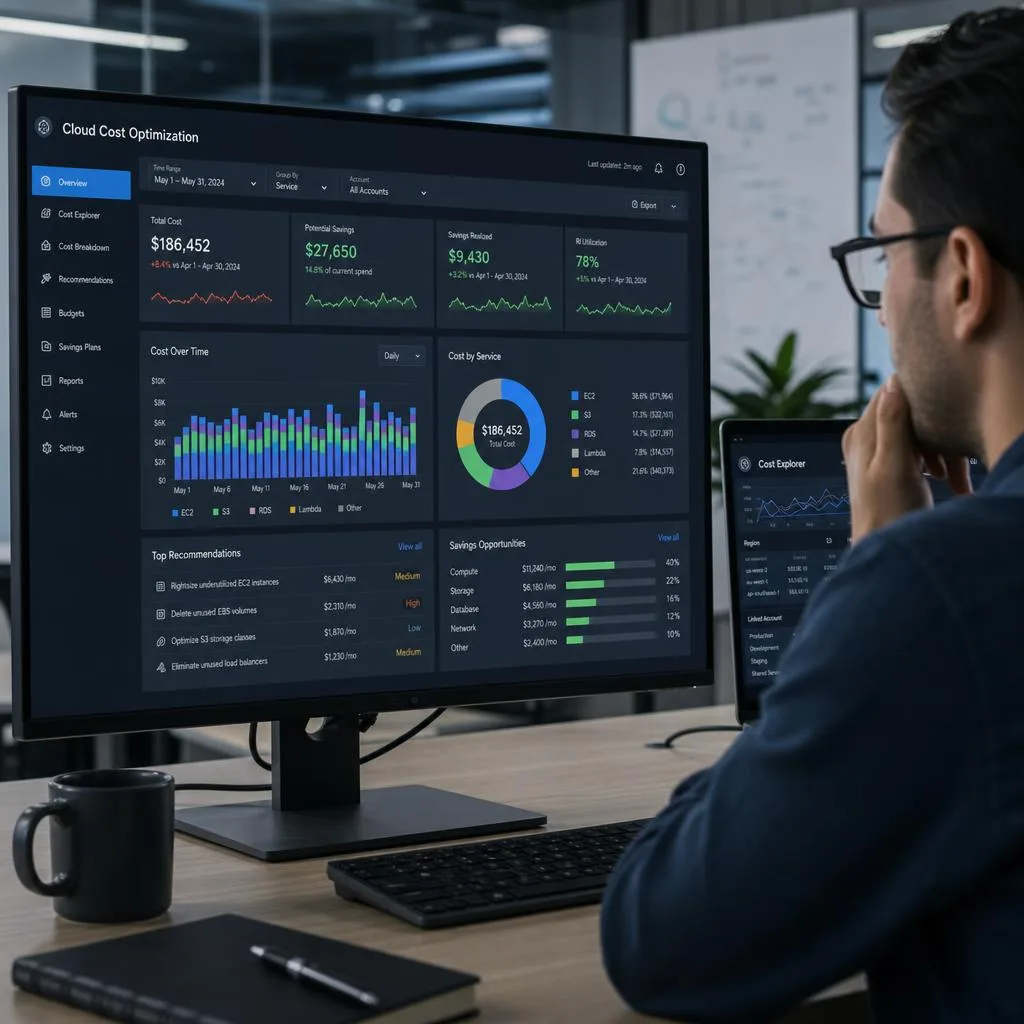
Technology & SaaS +3
Cloud Cost and Reliability Optimization
Cloud growth becomes difficult to govern when finance sees one aggregated bill while engineering sees hundreds of resources and services.
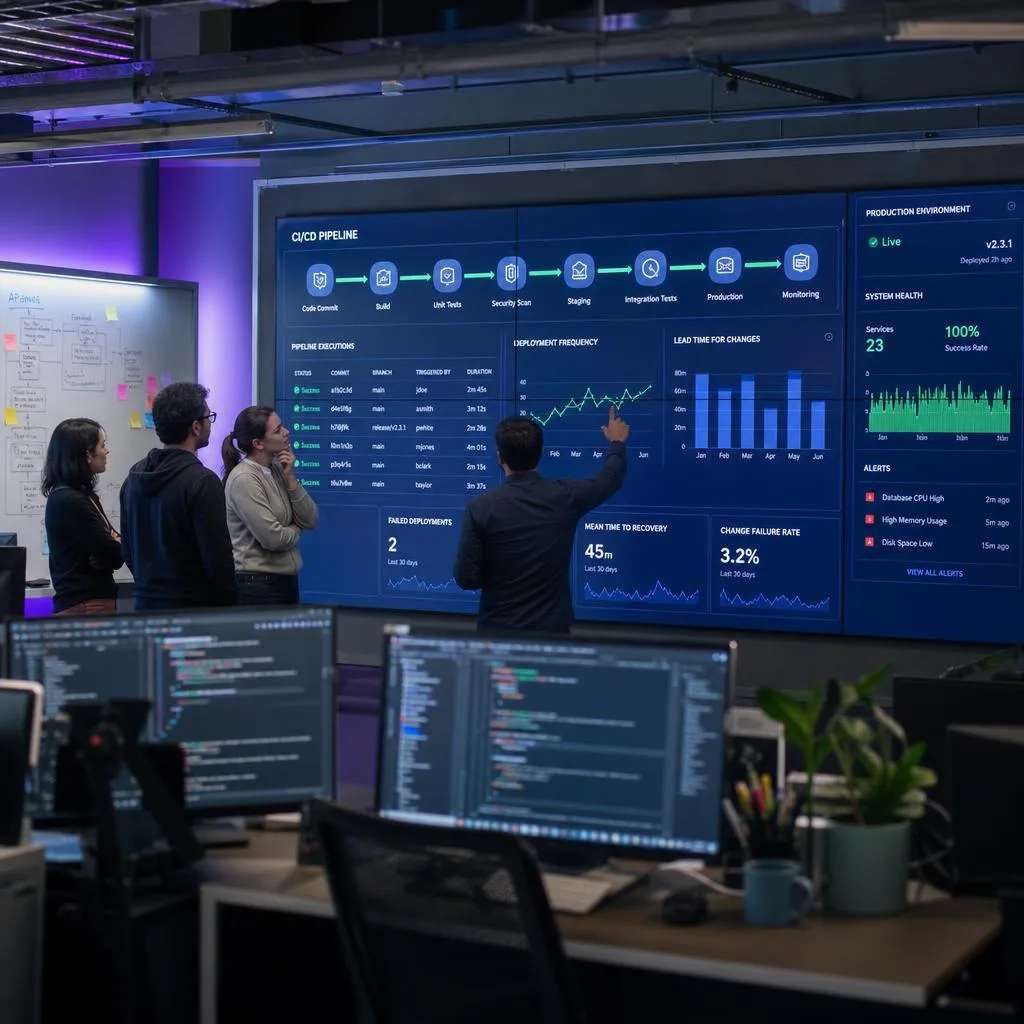
Technology & SaaS +2
DevOps and Release Automation
Release performance breaks down when build, test, approval and deployment steps vary across repositories or depend on tribal knowledge.
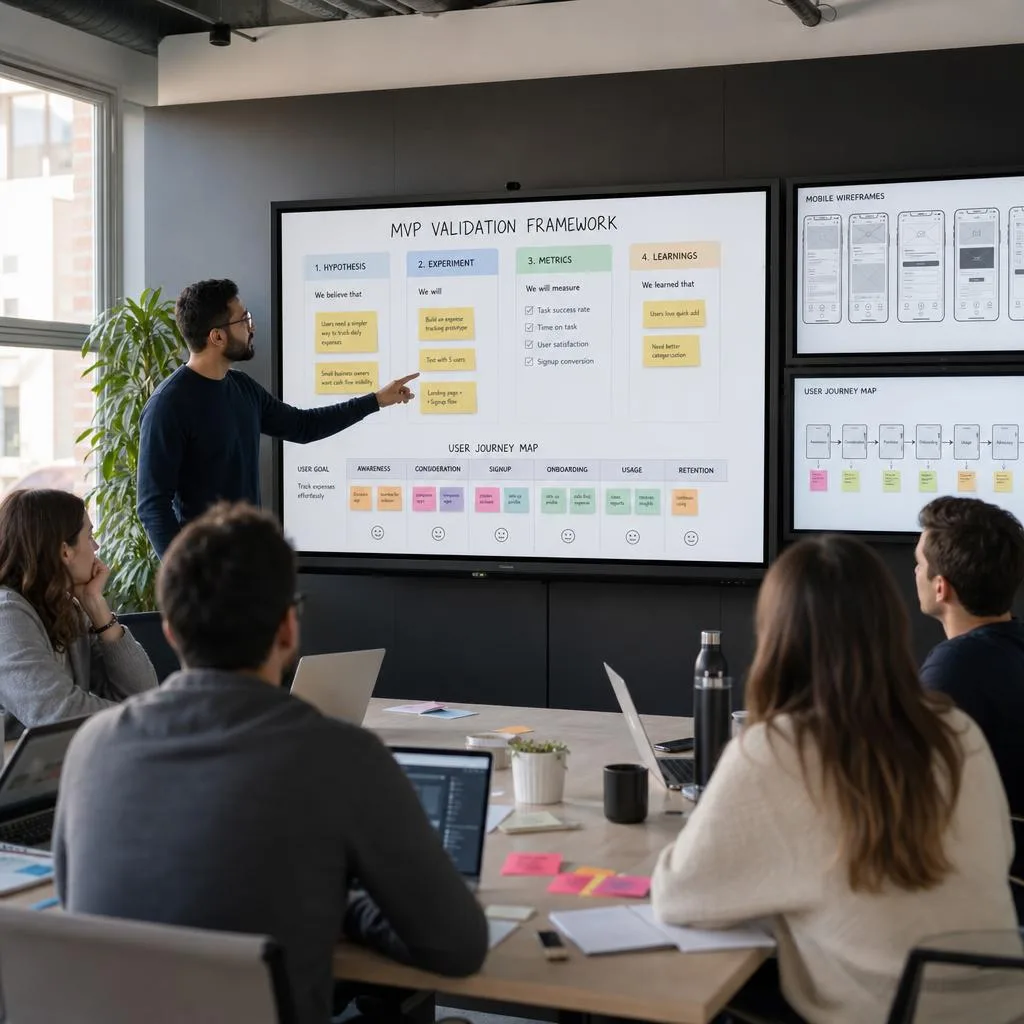
Technology & SaaS +3
Product Discovery and MVP Validation Services
A polished prototype can still solve the wrong problem, and a technically sound MVP can still lack buyer demand.
SaaS Modernization Assessment
Assess Your SaaS Modernization Path
Bring a representative architecture diagram, current tenancy model, release bottleneck and enterprise isolation requirement. CodeCones will identify the first modernization decision and outline a phased assessment scope.
- Dedicated project manager from day one
- Fixed-scope or continuous engagement options
- Full IP ownership: all deliverables are yours
- Response within one business day
Explore More Solutions in Practice
Browse representative blueprints and verified solution paths for adjacent platform, delivery and product decisions.
Need a planning budget first? Get a Budget Estimate